Nomadic Real Estate for Seasonal Travel
For centuries, individuals adhered to the periods rather than fighting them. Herders relocated their flocks to greener pastures, and communities left whole villages to escape rough winters months or scorching summertimes. Today, that exact same instinct is re-emerging in a contemporary type. Remote work, adaptable earnings, and a growing abhorrence for being connected to one address have combined to develop a new kind of occupant: the seasonal nomad. Instead of renting out or having a single set home, these tourists build a way of living around movable, modular, or short-term housing that changes with the weather condition, the periods, and their very own changing demands.
What Nomadic Housing Actually Suggests
Nomadic housing is not merely "taking a trip a lot." It defines a purposeful housing method where a person or family members plans their living scenario around a turning set of places, many times to the periods. Someone could spend winter months in a warm seaside community, spring in a hill cabin, summer near a lake, and autumn back in a home. The real estate itself can take many kinds: a transformed van, a tiny house on wheels, a series of temporary leasings, or membership-based co-living spaces that supply a bed in several cities. What ties them with each other is purpose. The person is not wandering aimlessly; they are selecting where to live based on environment, expense, area, or way of life at a given season.
Why Seasonal Travel Is Driving This Fad
The rise of remote work removed the biggest obstacle to this lifestyle: the requirement to be physically present in one workplace. When revenue stopped depending upon geography, the next sensible question ended up being "why keep somewhere I do not enjoy for part of the year?" Increasing rental fees in many cities have actually additionally pushed individuals to take into consideration whether paying for a solitary, expensive, mainly vacant apartment makes sense when they can spend part of the year someplace cheaper and a lot more appealing. Add to this a social change toward valuing experiences over long-term possessions, and it becomes clear why seasonal nomadism has relocated from a particular niche hobby to an authentic real estate group.
The Main Types of Nomadic Real Estate
Autos as Homes
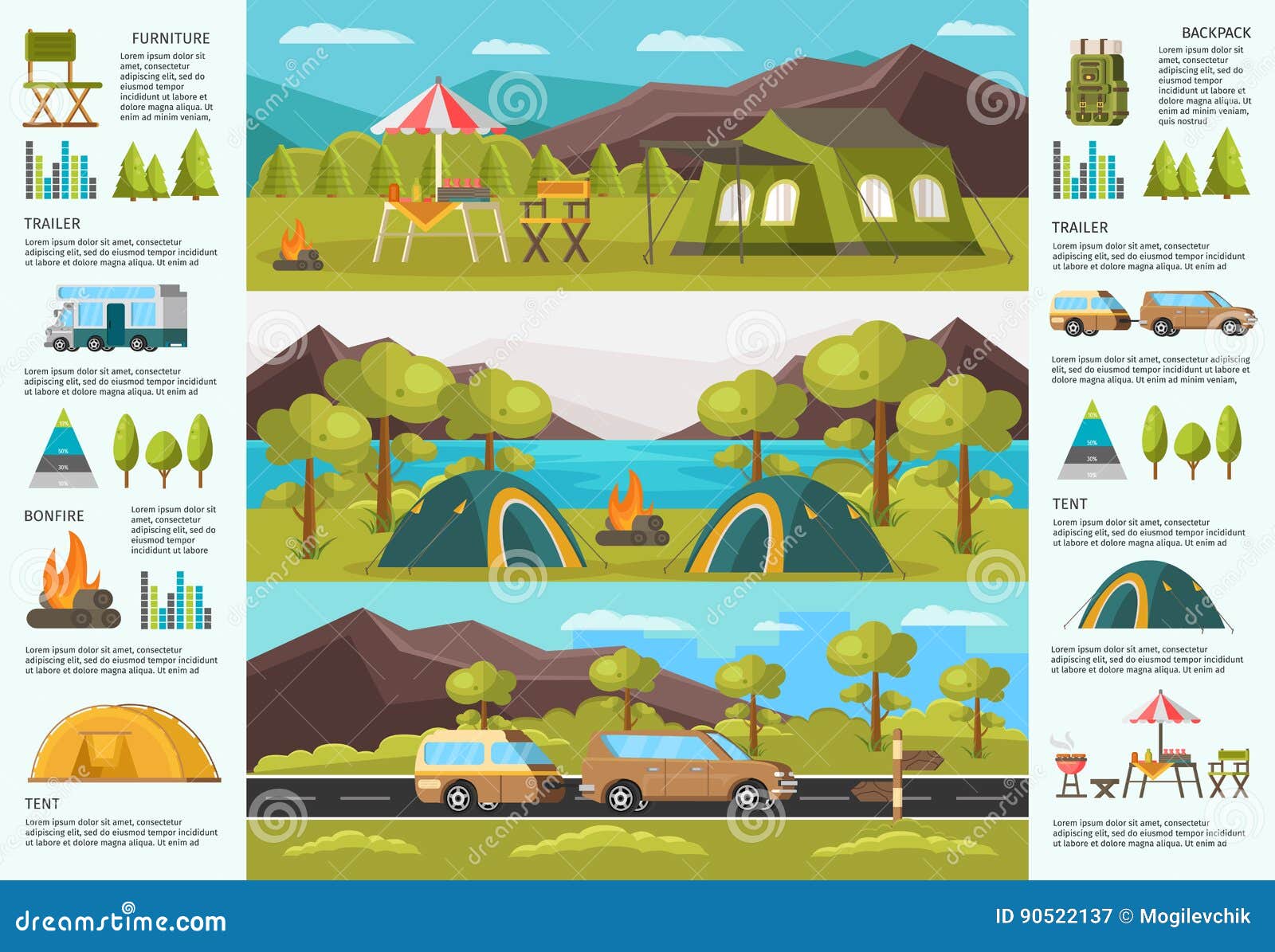
Vans, converted buses, and tiny Motor homes remain one of the most noticeable kind of nomadic housing. They provide maximum versatility due to the fact that the home and the setting of transport are the same object. An individual can chase moderate weather throughout a whole continent without ever scheduling a trip or signing a lease. The tradeoff is area; camping supplies van life demands minimalism, mindful storage layout, and comfort with little, multi-purpose living areas.
Tiny and Modular Houses
Tiny houses on trailers or skids offer even more comfort than a van while still being movable, though normally with less regularity. Some seasonal travelers maintain 2 or three little homes based in various climates and merely move in between them a few times a year instead of transferring continuously. Modular real estate kits have actually also made it much easier to assemble a comfy home promptly in a new place and dismantle it just as quickly when the period modifications.
Revolving Short-Term Rentals and Co-Living Networks
Not everyone intends to own or tow a structure. Several seasonal nomads rather depend on temporary rental platforms or membership-based co-living networks that offer accessibility to furnished homes in several cities for a reoccuring fee. This design gets rid of the burden of maintenance and transportation totally, trading some spontaneity for convenience and neighborhood, given that a lot of these networks are developed around shared spaces and gatherings.
Practical Considerations Prior To Going Nomadic
Cost Preparation
Nomadic housing can be less expensive than a typical lease, but only with mindful budgeting. Gas, storage fees, subscription costs, and seasonal rental spikes in prominent locations can build up promptly. Successful seasonal nomads normally track prices throughout an entire year rather than comparing single months, considering that the financial savings generally balance out over multiple seasons.
Legal and Logistical Details
Residency demands, mail forwarding, insurance coverage, and automobile enrollment all come to be extra complex when a home moves or changes location. Numerous nomads preserve a fixed legal address in a tax-friendly state or country while physically living somewhere else for the majority of the year. Comprehending regional guidelines for lasting car park, temporary services, and job authorizations is crucial prior to devoting to this way of living.
Structure Area on the Move
Among the greatest obstacles of nomadic living is the danger of seclusion. Successful seasonal tourists typically resolve this by returning to the same locations year after year, constructing a well-known rhythm and an acquainted circle of individuals instead of starting from zero every time.
A Lifestyle Constructed Around Rhythm, Not Origins
Nomadic real estate for seasonal travel is less about escaping an irreversible home and even more regarding revamping what "home" means. It trades a single set address for a rhythm of places selected with intent. For the appropriate person, this profession brings better climate, reduced prices, and a larger sense of belonging than any one residence might ever use.